
Akagera National Park is Rwanda’s only savannah park and one of East Africa’s most inspiring conservation success stories. Located in the eastern part of Rwanda along the border with Tanzania, the park covers approximately 1,120 square kilometers of diverse landscapes including open plains, rolling hills, woodlands, swamps, and lakes. Named after the Kagera River that flows along its eastern boundary, Akagera offers a classic African safari experience combined with Rwanda’s signature scenic beauty of rolling hills and shimmering lakes.
Wildlife in Akagera National Park
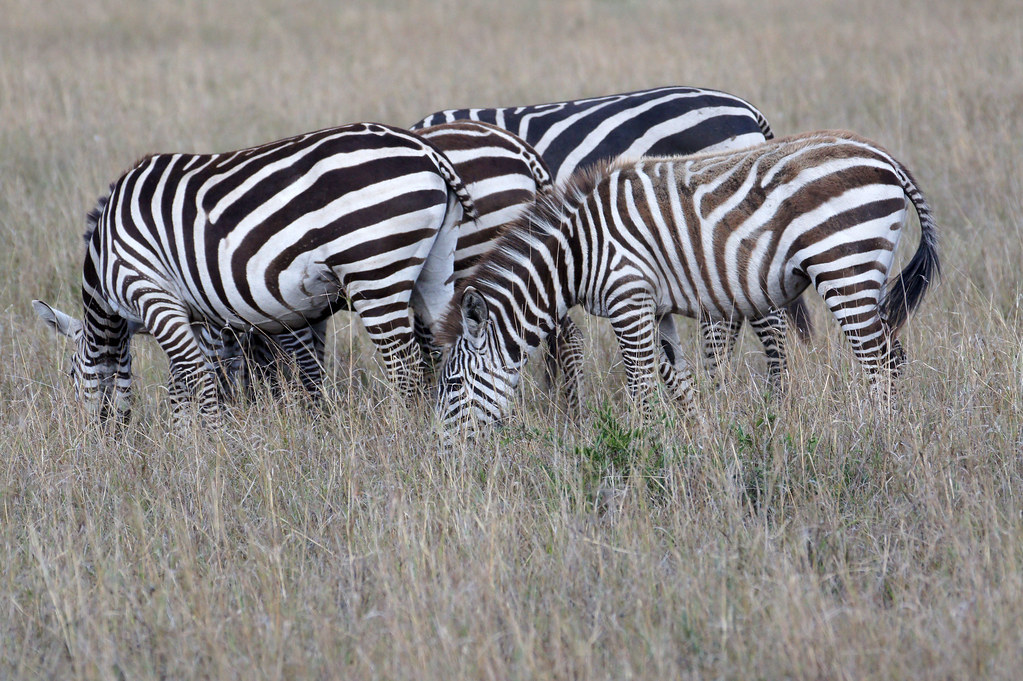
Akagera is proudly home to the Big Five. Lions and rhinos were successfully reintroduced after years of absence, restoring the park to a complete Big Five destination. Visitors have the opportunity to see elephants, buffaloes, leopards, and black and white rhinos roaming freely across the savannah. In addition to large mammals, the park hosts giraffes, zebras, topis, elands, impalas, waterbucks, warthogs, and hyenas. The lakes and wetlands are home to hippos and large Nile crocodiles. Akagera is also a paradise for bird lovers, with over 500 recorded bird species, including the rare shoebill stork and a variety of waterbirds found around Lake Ihema.
Landscapes and Scenic Beauty
Unlike many flat savannah parks, Akagera is characterized by undulating hills that create breathtaking panoramic views. The northern section features vast open plains ideal for wildlife viewing, while the southern region is dominated by lakes and papyrus swamps. Lake Ihema, the second largest lake in Rwanda, is a highlight of the park. A boat safari on the lake provides close encounters with hippos, crocodiles, and abundant birdlife, offering a different perspective from traditional game drives.
Conservation Success Story
Akagera National Park has become a model for successful conservation in Africa. Through strong collaboration between the Rwanda Development Board and conservation partners, wildlife populations have recovered significantly. The reintroduction of lions in 2015 and rhinos in 2017 marked a turning point in restoring ecological balance. Today, Akagera stands as a symbol of Rwanda’s commitment to sustainable tourism, community involvement, and wildlife protection.
Best Time to Visit
The dry seasons from June to September and December to February offer the best wildlife viewing opportunities, as animals gather around water sources and vegetation is less dense. However, Akagera can be visited year-round, with each season offering unique scenery and experiences.
Accessibility
Akagera National Park is easily accessible from Kigali, with a driving time of approximately two to three hours. This convenience makes it ideal for short safaris, weekend getaways, or as part of a longer Rwanda itinerary that may include Volcanoes National Park or Nyungwe Forest.
Why Visit Akagera National Park
Akagera offers an authentic savannah safari experience without the crowds found in larger African parks. Visitors enjoy intimate wildlife encounters, scenic landscapes, and comfortable lodge accommodations within a well-managed conservation area. For travelers seeking a blend of classic African wildlife, stunning scenery, and meaningful conservation impact, Akagera National Park remains one of Rwanda’s most rewarding safari destinations.

Comment (0)